



27 Jan The Cycle of Life
Birth, Death, and the Quiet Lessons of Farming
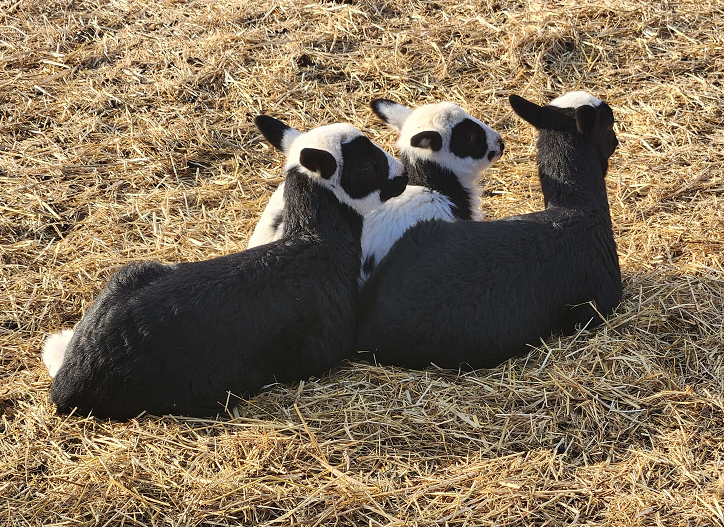
Every new set of babies born on our farm fills me with excitement. Each one feels like a continuation of something I’ve built with my own hands—something I chose, nurtured, and stayed present for. They are my legacy, in the truest sense of the word.
Some of them will be sold.
Some of them will be eaten.
Some of them will live out their entire lives here.
But every single one of them is special. Every one is loved, appreciated, and given the best start I can offer.
That wasn’t always easy for me to reconcile.
When I first started this journey, I took loss hard. If a lamb didn’t make it, I sobbed. I questioned myself endlessly. I carried guilt like a weight, convinced that every death was a failure on my part. I wanted to save them all, because caring deeply felt like the same thing as preventing pain.
Time—and reality—taught me otherwise.
I don’t sob anymore when a lamb passes. I still feel it, but now it comes as a sigh and an understanding. Some lambs are not meant for this world. Keeping them alive for the sake of my own emotions would be more cruel than letting them go. Weakness, sickness, or injury does not magically become mercy just because I wish it would. A peaceful passing, early and gentle, is often what nature intended.
That acceptance didn’t make me cold. It made me honest.
The same is true when it comes to slaughter.
I no longer cry when we butcher animals raised on our farm. Not because it’s easy—because it isn’t—but because it is inevitable, and it has meaning. These animals have a purpose greater than my comfort. They feed my family. They sustain us. They complete the cycle they were born into.
Some people see that as selfish. I see it as truthful.
Lions don’t feel pity for the gazelle, but they respect it for the fight it gave. They don’t eat out of rage or hatred. They eat out of necessity. There is no cruelty in that exchange—only balance.
Farming teaches you that love does not mean denial. Care does not mean clinging. Respect does not require sentimentality. What it requires is presence, responsibility, and the willingness to see the world as it is—not as we wish it to be.
I care deeply about my animals. That is why I no longer turn away from the hard parts. Birth and death are not opposites here; they are companions. And learning to hold both without breaking has been one of the most important lessons this life has given me.
No Comments